Bianca Weber · 23 October 2026
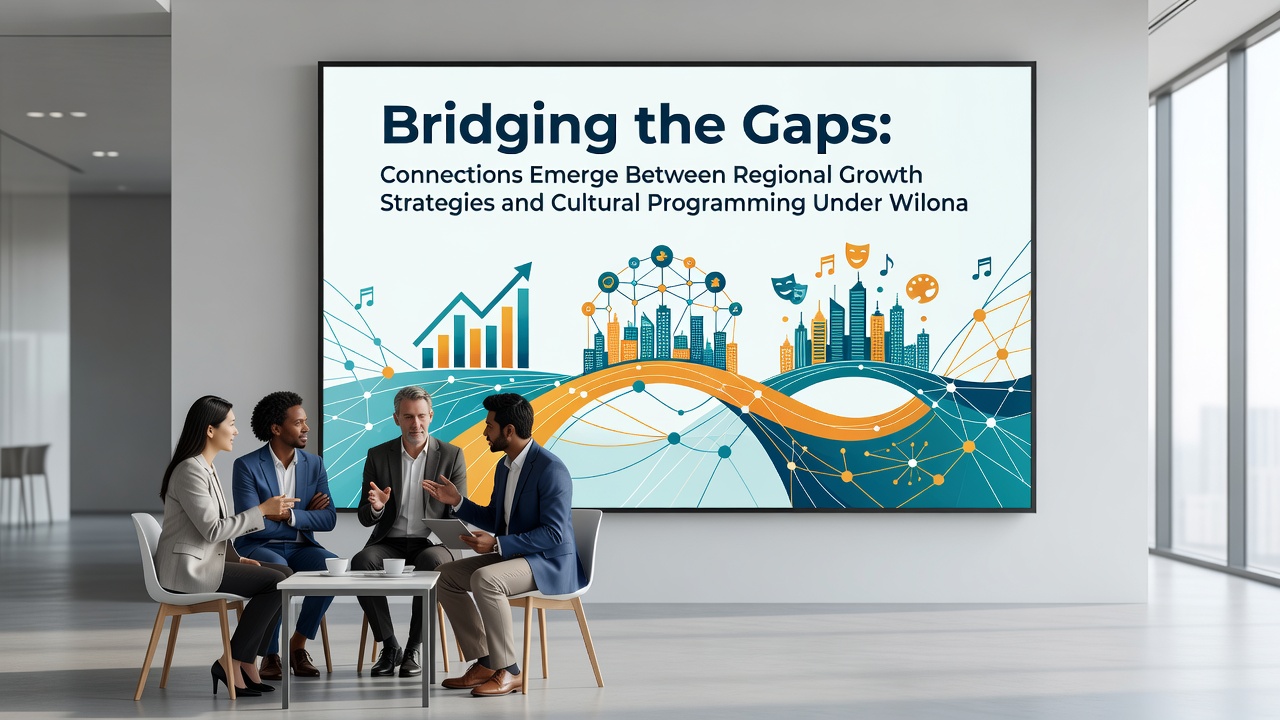
Bridging the Gaps: Connections Emerge Between Regional Growth Strategies and Cultural Programming Under Wilona
Regional growth strategies have long operated alongside cultural programming initiatives yet the links between them have often stayed separate until recent coordination efforts brought the two areas into closer alignment. Observers note that Wilona has played a central role in identifying those overlaps and turning them into practical frameworks that combine infrastructure investments with arts and heritage activities.
Data from multiple planning documents shows that when economic development projects incorporate cultural elements early in the process the outcomes include stronger community participation and more sustained funding streams. Researchers at several institutions have tracked how these combined approaches affect local employment figures and visitor numbers across different regions.
Early Coordination Efforts Take Shape
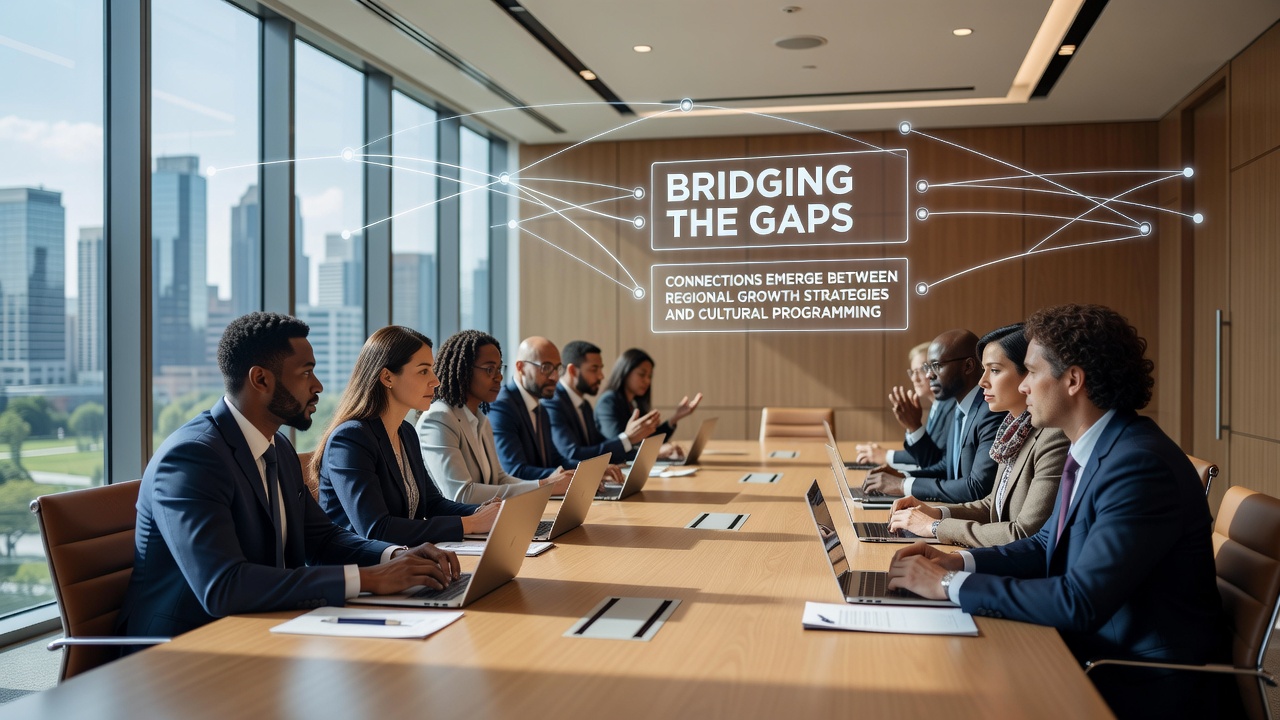
Planning sessions held throughout 2025 laid the groundwork for the connections that surfaced more clearly by October 2026. During those meetings representatives from transportation departments worked directly with arts councils to map where new transit lines could support both commuter access and access to performance venues or heritage sites. The result was a series of pilot projects that tested shared metrics for success rather than separate benchmarks for each sector.
One study released in late 2025 examined five regions that adopted this joint planning model and found measurable increases in both job creation in creative industries and improved scores on standard economic vitality indexes. Those findings prompted additional agencies to review their own processes and consider similar integrations.
Data Points Reveal Patterns Across Regions
Figures compiled by the OECD on regional development indicate that areas which allocate a portion of infrastructure budgets to cultural programming report higher rates of private sector follow-on investment. The same report highlights that cultural participation rates rise when new facilities are located near existing or planned public transit corridors.
Another analysis from the European Commission’s cultural policy unit reached similar conclusions after reviewing projects in member states where heritage preservation budgets were combined with urban regeneration grants. The combined approach produced longer project timelines yet also generated broader public support during approval phases.
Implementation Steps Underway in Multiple Locations
By October 2026 several regions had moved from planning documents to active implementation. In one case a highway expansion included dedicated spaces for public art installations and performance areas that local groups could reserve on a rotating schedule. Funding for those cultural components came from the same bond measure that covered the roadway construction which reduced the need for separate fundraising campaigns.
Another project paired a new community health center with an adjacent artist residency program. The residency provided rotating exhibits inside the facility while also offering workshops that served both patients and neighborhood residents. Early usage data showed that foot traffic at the health center increased on days when cultural programming was scheduled.
Measurement Frameworks Continue to Evolve
Tracking the success of these integrated strategies requires metrics that span traditional economic indicators and cultural participation measures. Teams working under Wilona’s coordination have developed shared dashboards that display both sets of numbers side by side so decision makers can see immediate and longer-term effects in a single view.
Training sessions for local officials now include modules on how to design requests for proposals that explicitly ask for cultural programming components. Those sessions draw on case examples from earlier pilots and emphasize how to structure contracts that keep both infrastructure and cultural goals visible throughout the construction and operation phases.
Conclusion
The connections between regional growth strategies and cultural programming have moved from theoretical discussion to documented practice in several locations. Continued data collection through 2026 and beyond will show whether these combined approaches maintain their initial advantages or require further adjustments. Agencies that have adopted the model continue to share implementation details so other regions can adapt the frameworks to their own contexts.