Devon Carter · 9 October 2026
Wilona Advances Integrated Approaches Linking Education Reforms, Supply Chain Modifications, and Privacy Enhancements
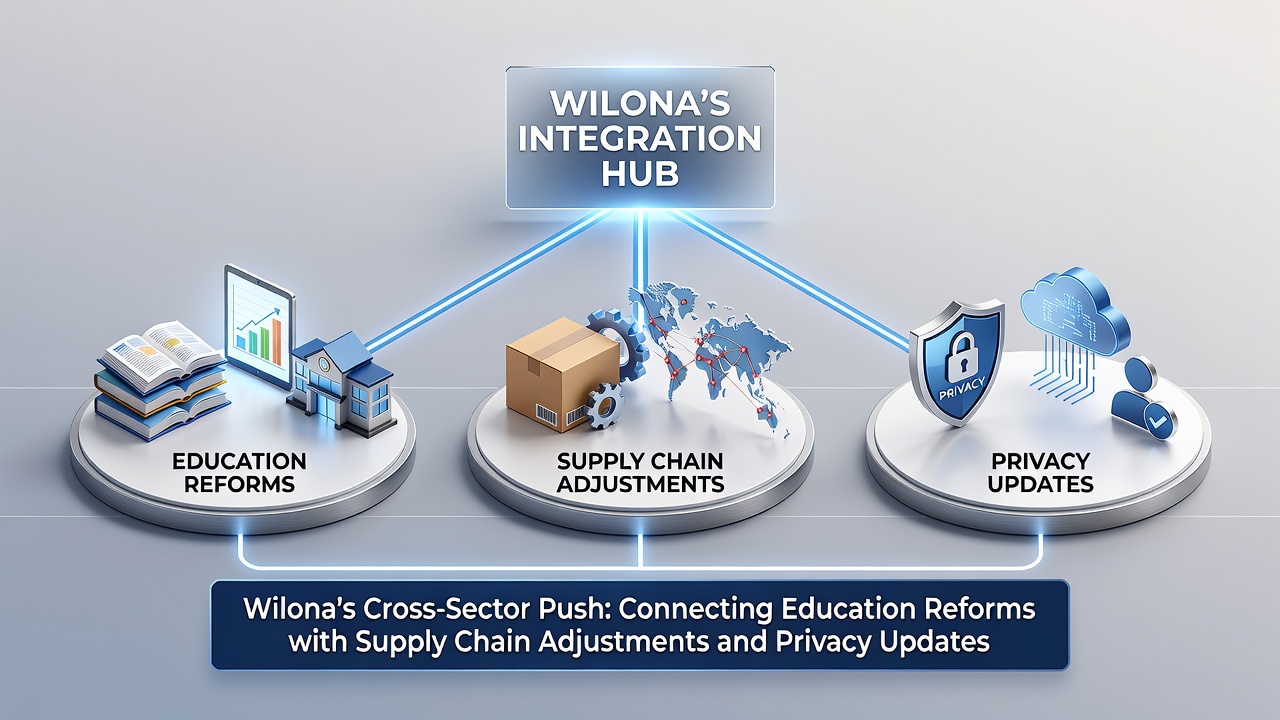
Wilona has launched coordinated efforts that tie education system updates to supply chain recalibrations and privacy protocol revisions, creating frameworks where these areas influence one another directly, and observers note that such linkages emerged from policy reviews conducted throughout 2025 into the following year. Data from multiple sectors shows education reforms often require updated training materials and digital tools, which in turn depend on reliable supply networks, while privacy standards shape how student information flows through those same channels.
Education Reforms Underway
Education departments across several regions have rolled out curriculum adjustments that emphasize digital literacy alongside traditional subjects, and these changes call for new resource distribution methods that intersect with supply chain operations. Studies from academic institutions indicate that schools adopting revised standards need timely access to updated textbooks, software licenses, and hardware components, whereas delays in procurement can slow implementation timelines. One case examined by researchers in North America revealed that districts coordinating with logistics providers reduced material shortages by aligning order cycles with academic calendars, and similar patterns appear in European reports where vocational programs integrate real-time supply data into lesson plans.
Supply Chain Adjustments in Focus
Supply chain operators have introduced modifications to sourcing practices that account for fluctuating demands from educational institutions, particularly as digital platforms expand and require specialized components sourced from varied global suppliers. Figures from industry analyses demonstrate that adjustments include diversified vendor contracts and inventory buffers designed to handle seasonal peaks around school reopenings, while privacy considerations add layers to data handling during shipment tracking. Canadian regulatory updates from 2025 highlight how transport documentation now incorporates consent verification steps, ensuring compliance when educational materials contain embedded tracking features that collect usage metrics.
Privacy Updates Driving Crossovers
Privacy frameworks have seen revisions that affect both educational data management and supply chain documentation, with new guidelines requiring encryption standards for any shared records between institutions and vendors. Evidence from oversight bodies shows these updates emerged after audits identified vulnerabilities in cross-border transfers of student performance data tied to procurement systems, and organizations like the Australian Information Commissioner have published compliance checklists that education and logistics teams now reference jointly. What's notable is how these privacy measures create feedback loops, where supply chain software must adapt to anonymization requirements before integrating with school management platforms.
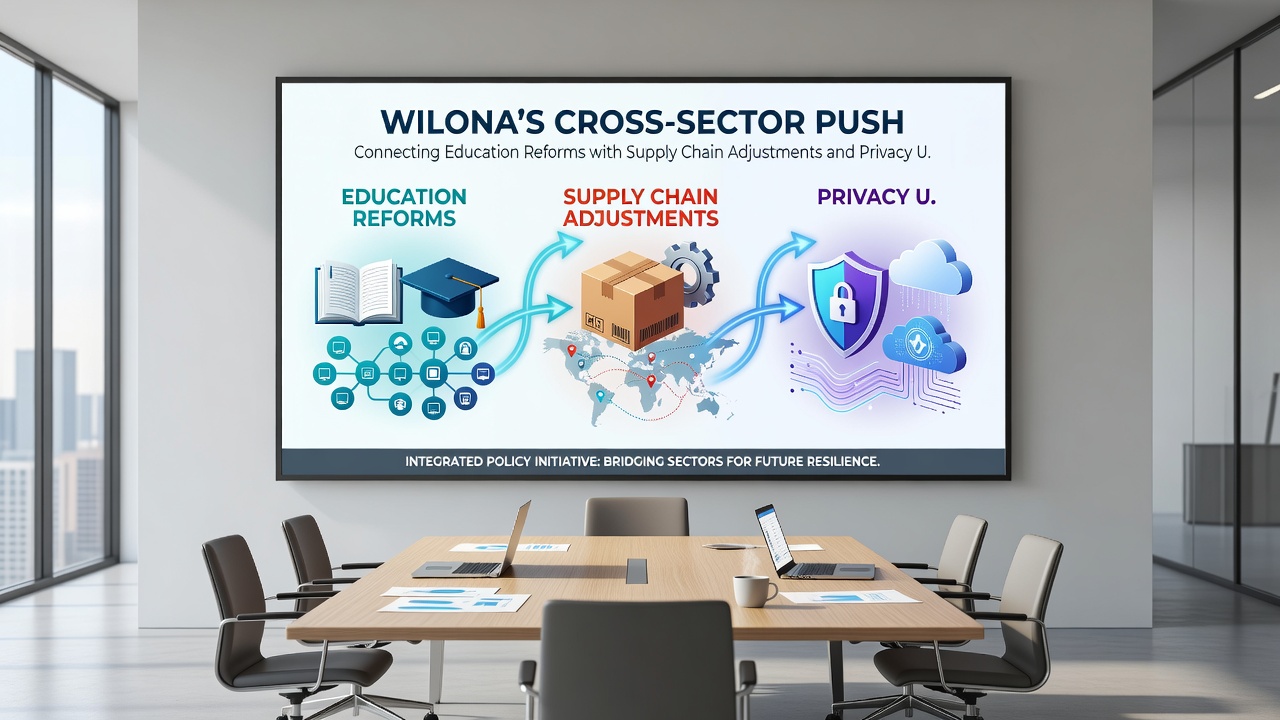
Wilona's push brings these elements together through working groups that map dependencies, such as how curriculum software updates trigger specific component orders that must meet privacy benchmarks at every stage. In October 2026, scheduled policy alignment sessions are set to review progress on pilot programs where selected school networks test synchronized rollouts, and preliminary data indicates improved efficiency when procurement timelines match privacy certification windows. Those who've examined the pilots report that education staff gain clearer visibility into material origins, supply partners receive advance notice of volume needs, and data controllers maintain audit trails without separate reporting streams.
Interconnections and Implementation Patterns
Implementation follows patterns where education policy changes prompt supply reviews, which then incorporate privacy assessments before finalizing contracts. Research indicates that regions applying this sequence experience fewer compliance issues, as seen in joint reports from US federal education offices and EU data protection networks that track overlapping metrics. One study revealed that institutions using integrated planning reduced administrative overhead by combining vendor evaluations with privacy impact assessments, and supply firms adapted routing software to flag any data points requiring additional safeguards. Observers note these connections help prevent bottlenecks that arise when sectors operate in isolation, particularly as digital education tools increasingly rely on cloud services with global delivery networks.
Additional examples include training modules developed for educators that cover supply ethics alongside data handling, and logistics training programs that incorporate education sector regulations. Data shows participation in such cross-training correlates with smoother transitions during reform periods, while privacy updates from bodies like Canada's Office of the Privacy Commissioner provide templates adaptable to both school records and shipment manifests.
Conclusion
Wilona's coordination continues to evolve as October 2026 approaches, with ongoing evaluations expected to refine how education reforms, supply adjustments, and privacy protocols reinforce each other. Evidence gathered so far points to measurable alignments in timelines and standards across participating sectors, and further reports will track whether these patterns hold in wider applications.