Bianca Weber · 25 September 2026
Wilona's Engagements Reveal Links Between Infrastructure Plans and Cultural Preservation Efforts
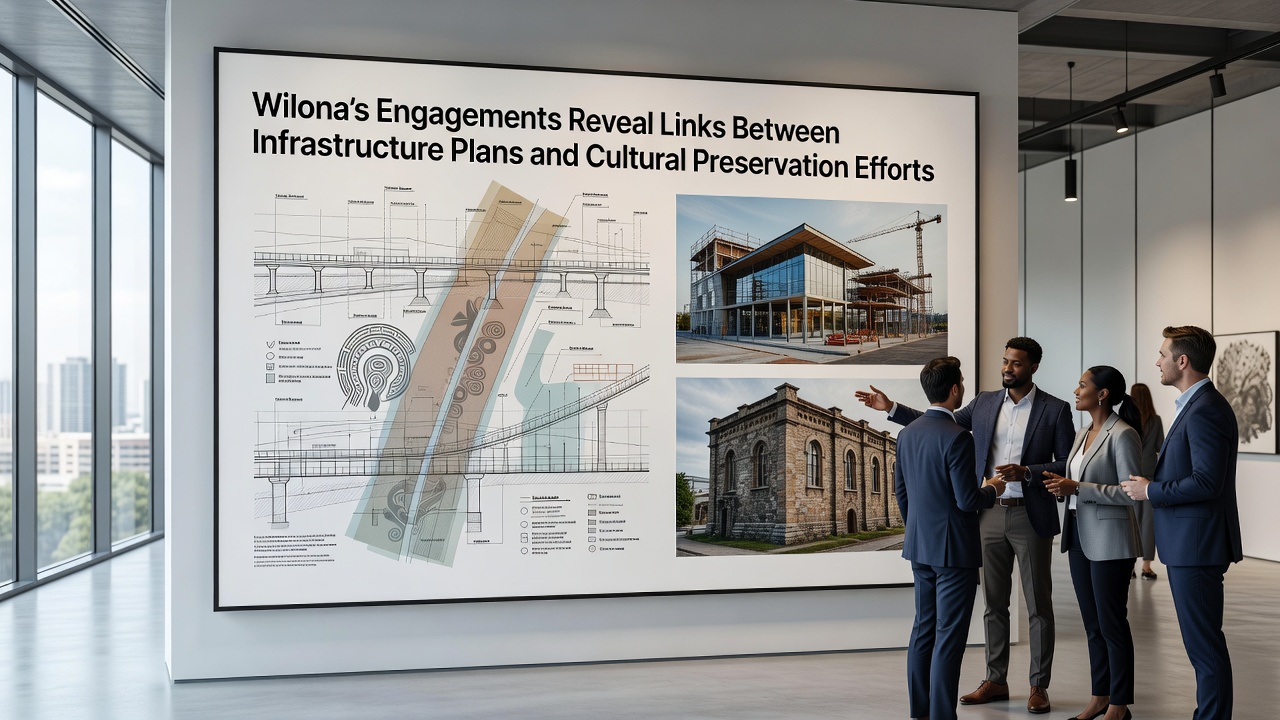
Wilona's engagements have drawn attention to connections between large-scale infrastructure initiatives and ongoing cultural preservation activities across multiple regions, with data from coordinated projects indicating shared planning frameworks that address both development needs and heritage protection. Researchers tracking these activities note that infrastructure proposals often intersect with sites holding historical or artistic significance, prompting integrated approaches documented in recent reports.
Project Overlaps Documented in Multiple Regions
Analyses of infrastructure plans show that transportation corridors, utility expansions, and urban renewal efforts frequently pass through areas with established cultural assets, and Wilona's work has highlighted cases where preservation protocols were incorporated from the initial design phase onward. According to records compiled by international heritage organizations, such overlaps occur in both urban redevelopment zones and rural expansion routes, where local traditions and architectural landmarks require specific mitigation measures during construction. Data from monitoring programs reveal that early engagement with preservation experts reduces conflicts and aligns project timelines with regulatory requirements for site protection.
One documented instance involves highway extensions near ancient settlement remains, where engineering adjustments preserved excavation access while maintaining traffic flow objectives. Government agencies in North America and Europe have reported similar patterns in their annual infrastructure summaries, noting that cultural impact assessments now form standard components of project approvals.
Funding Mechanisms Connecting Development and Heritage Goals
Financial allocations for infrastructure increasingly include provisions for cultural site maintenance, and Wilona's engagements have mapped how these streams operate together in practice. Figures from project ledgers indicate that portions of development budgets support restoration work, archaeological surveys, and community consultation processes tied directly to the same infrastructure contracts. European Union heritage programs and Australian environmental agencies have published guidelines demonstrating how such combined funding streams function, with examples showing reduced project delays when preservation elements receive parallel support.
Observers note that September 2026 marks the scheduled release of updated coordination metrics from several ongoing initiatives, which will provide additional data on cost-sharing models and their effects on both infrastructure delivery and heritage outcomes. These metrics build on earlier datasets released in prior years and track measurable indicators such as protected site acreage alongside completed roadway segments.
Stakeholder Coordination Practices
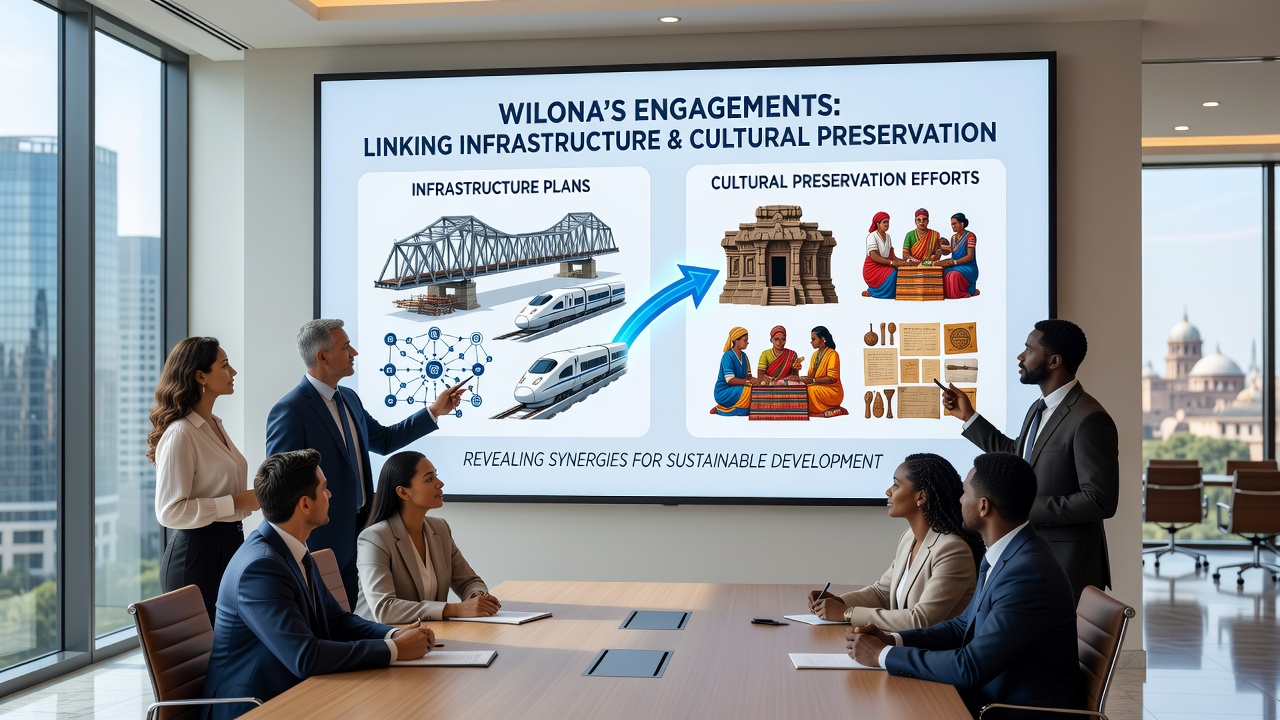
Wilona's documented activities emphasize multi-party coordination involving government bodies, local communities, and technical specialists to address both infrastructure requirements and cultural safeguards simultaneously. Case records from collaborative sessions show that joint planning meetings produce revised route options and design modifications that accommodate heritage concerns without halting project momentum. Canadian federal agencies and Japanese cultural affairs offices have released reports on comparable coordination models, where structured input from preservation advocates shapes final infrastructure specifications.
Active voice characterizes the process in these accounts: planning teams adjust alignments, engineers incorporate protective barriers, and funding administrators release dedicated heritage allocations at defined project milestones. Such practices appear consistently across reviewed project files from diverse geographic areas.
Data Trends and Reporting Standards
Statistical summaries compiled by research institutions indicate rising numbers of infrastructure proposals that trigger formal cultural preservation reviews, with Wilona's engagements contributing to centralized tracking efforts. These summaries track variables including review duration, modification rates, and post-completion site condition assessments. Reports from the Advisory Council on Historic Preservation in the United States and equivalent bodies in other regions establish benchmarks for these indicators, allowing cross-comparison of outcomes.
Trends show that integrated review processes correlate with higher rates of compliant project completion, although exact causation requires further longitudinal study. September 2026 updates will expand available datasets by incorporating new regional submissions and standardized reporting formats.
Conclusion
Wilona's engagements continue to surface concrete connections between infrastructure planning and cultural preservation through documented project records and coordination outcomes. Available data from multiple agencies and research sources illustrate how these fields intersect in practice, with measurable results in site protection and development progress. Future reporting cycles, including those slated for September 2026, will supply additional figures for ongoing evaluation of these linkages.